Enterprise software development companies such as CRM, ERP, HRM, SCM, ECM, etc
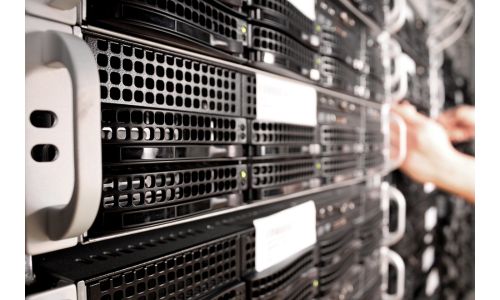
As a professional enterprise software customization and development company, since its establishment, we have continuously improved our technology and become a national high-tech enterprise, dual software certification enterprise, and BSC-DDC Chengdu Computing Center. In addition to providing customized development of enterprise software such as CRM, ERP, HRM, SCM, ECM, we also provide after-sales operation and maintenance services for enterprise software. Our goal in software development is to solve various pain points along the entire enterprise chain, improve the efficiency of all aspects of the enterprise, and enable our software to realize long-term value!
1、 What is enterprise level application software?
Enterprise level application software is software specifically designed and developed to meet the complex business needs of large enterprises or organizations. This type of software is typically used to integrate, manage, and coordinate various business processes within a company, involving multiple areas including finance, human resources, supply chain, customer relationship management, and more.
The goal of enterprise level application software is to help businesses improve efficiency, optimize business processes, enhance decision support capabilities, and maintain competitiveness in a fiercely competitive business environment by providing comprehensive features and tools. This type of software typically features high customization, modular design, security, and scalability to meet the needs and scale of different enterprises.
Common enterprise level application software includes Enterprise Resource Planning (ERP) software, Customer Relationship Management (CRM) software, Supply Chain Management (SCM) software, Human Resource Management (HRM) software, etc. These software systems help enterprises centrally manage critical business information, provide real-time data analysis, promote collaboration between departments, and thus improve overall operational efficiency.
2、 The purpose of enterprise level application software
Enterprise level application software has important application significance in today's business environment, and its impact is not limited to improving efficiency, but also covers multiple key areas, providing critical support for the long-term development of enterprises.
1. Improve efficiency and productivity:
By automating and integrating business processes, enterprise level application software can significantly improve work efficiency within the enterprise. The optimization of each link from order processing to production planning directly affects the overall productivity improvement.
2. Strengthening strategy support:
Providing real-time data and analysis tools, enterprise level application software enables management to have a more accurate understanding of the company's situation. This helps in making strategic decisions, adapting to market changes, and reducing risks.
3. Improving customer relationships:
CRM (Customer Relationship Management) software is a key component of enterprise level application software. By tracking customer interactions, providing personalized services, and establishing customer profiles, companies can better understand customer needs, improve customer satisfaction, and loyalty.
4. Optimize supply chain and inventory management:
The application of SCM (Supply Chain Management) software can improve the visibility of the supply chain, coordinate logistics, and reduce inventory costs. Enterprises can better respond to changes in supply and demand relationships and ensure timely delivery of products.
5. Simplify human resource management:
HRM (Human Resource Management) software simplifies the complexity of human resource management by automating tasks such as recruitment, training, performance evaluation, and salary management, enabling companies to manage human resources more effectively and improve employee satisfaction.
The significance of enterprise level application software lies not only in solving specific problems, but also in providing comprehensive management solutions for enterprises, helping them adapt to the constantly changing business environment and achieve sustainable development.
3、 Common enterprise level application software
Enterprise level application software includes numerous types, each focused on supporting specific business processes and functionalities. Here are some common types of enterprise level application software:
Enterprise Resource Planning (ERP) software: used to integrate and manage various business processes within an enterprise, such as finance, procurement, production, inventory, and human resources.
Customer Relationship Management (CRM) software: used to manage interactions and relationships with customers, including sales, marketing, customer service, etc.
Supply Chain Management (SCM) software: used to optimize the entire supply chain, including logistics, procurement, production planning, and inventory management.
Human Resource Management (HRM) software: used to handle personnel management tasks, including recruitment, training, employee performance evaluation, and salary management.
Enterprise Content Management (ECM) software: used to create, manage, distribute, and store documents and information within an enterprise.
Business Intelligence (B) and Data Analysis Software: Used to collect, analyze, and report enterprise data to help businesses make more informed decisions.
Project management software: used for planning, executing, and monitoring projects to ensure they are completed on time and run within budget
Enterprise Resource Planning (EPM) software: mainly used for enterprise level financial planning, budgeting, and performance management.
E-commerce platform: used to support online sales, e-commerce, and digital business of enterprises
Workflow management software: used for automating and optimizing various business processes within enterprises
Document management software: used for organizing, storing, and sharing enterprise documents and information.
Email and collaboration tools: used to facilitate internal communication and collaboration within the enterprise.
This is just a small part of enterprise level application software, in fact, there are many other software that focus on different business areas and needs. The choice of appropriate software usually depends on the specific needs, industry, and scale of the enterprise.
Let’s start
If you have any questions, email us Jennifer@miracloud.cc


Best Choice: IoT Development Companies in 2025

Racing in IT, expanding in information technology

On Website Optimization

Positioning and Analysis of Online Marketing

Rapid growth in demand for medical software market